Clocks Fall Back at 2 A.M. Sunday: San Antonio Returns to Standard Time, and Texas's Permanent-Daylight Law Still Waits on Washington
At 2 a.m. Sunday, November 1, clocks move back one hour to 1 a.m. — an extra hour of sleep on Halloween night, a 5:47 p.m. sunset by Sunday evening, and another year of a Texas law, HB 1393, that cannot take effect without Congress.
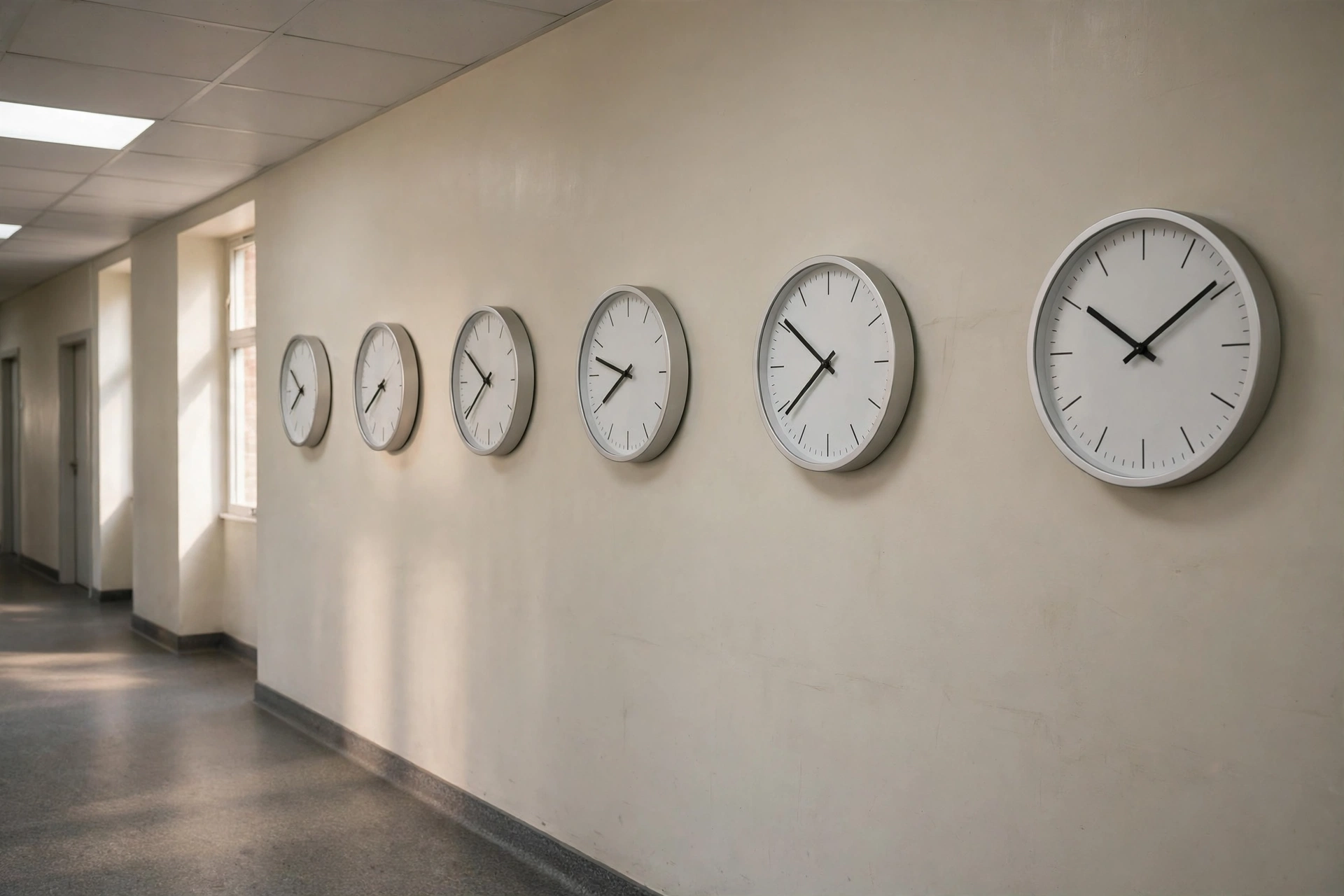
The change happens while most of San Antonio is asleep after Halloween. At 2 a.m. on Sunday, November 1, clocks turn back one hour to 1 a.m. as daylight saving time ends and standard time returns, according to the 2026 time-change calendars read this cycle. Phones and networked devices change themselves; the clocks that need a hand are the manual ones — cars, ovens, microwaves and wall clocks. Sunday's sky shows the trade immediately: sunrise comes earlier in the morning and sunset arrives at 5:47 p.m., an hour of evening light gone in a single night.
Texas has already voted, in its own way, to stop doing this. Gov. Greg Abbott signed House Bill 1393 in June 2025, authorizing permanent daylight saving time for Texas — but federal law, the Uniform Time Act, does not allow a state to adopt permanent daylight time on its own, and Congress has not passed the legislation that would let the Texas law take effect, according to the Texas time-change reporting read this cycle. So Texas keeps the national schedule: daylight time began March 8, 2026, it ends Sunday, and it returns March 14, 2027, unless federal law changes first.
The practical notes are the same ones fire departments repeat every fall, and they bear repeating on a holiday weekend: the extra hour is real sleep only if the clocks that wake you are right, Election Day is three days after the change — Tuesday's 7 a.m. poll opening will feel like 8 a.m. did last week — and drivers get a darker evening commute starting Monday. Set the manual clocks back before bed Saturday night, and the change costs nothing but a minute.