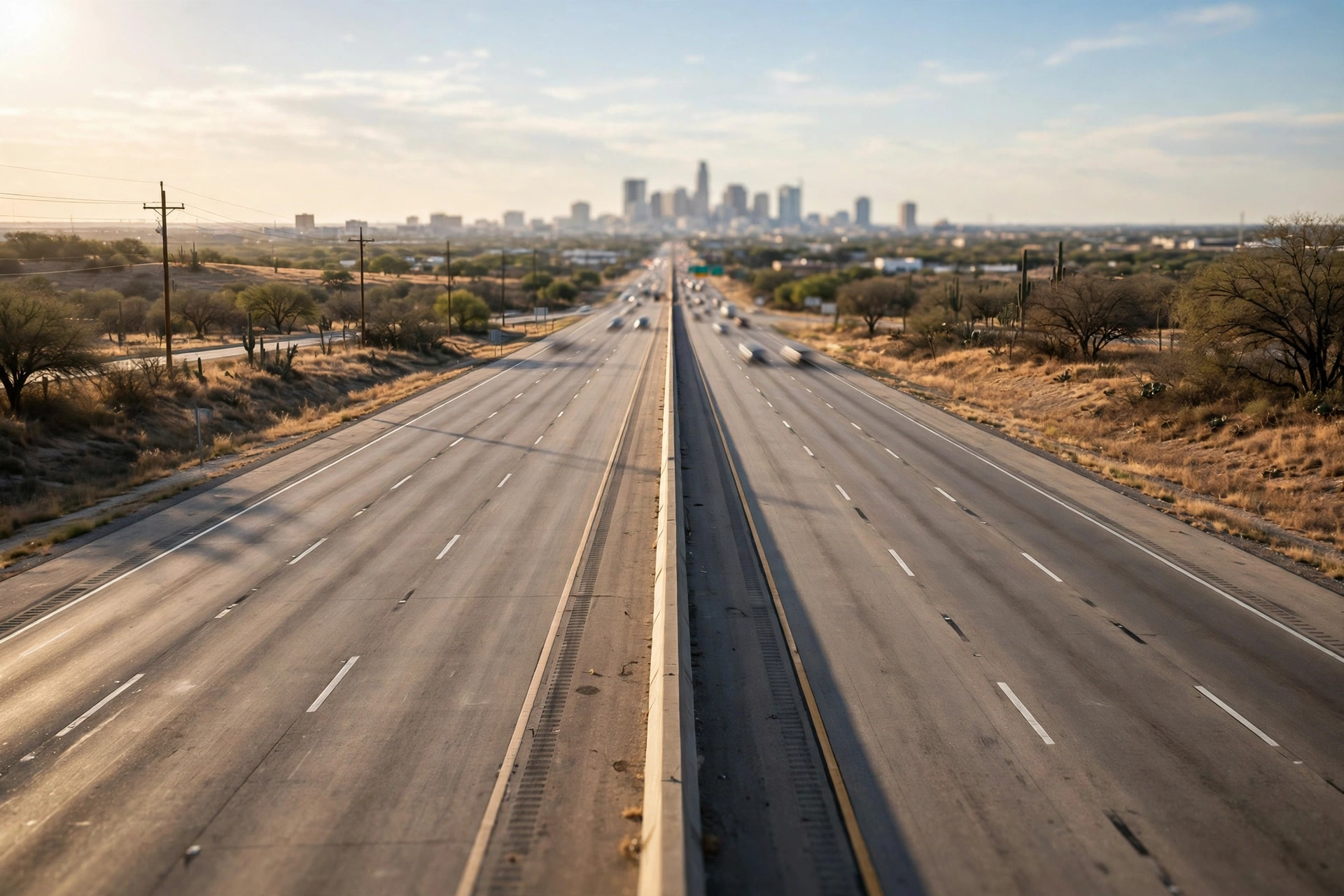
Cell Phones and AI Are Counting San Antonio's Roaming Dogs: The SwRI Survey Revisits the 32 Areas From 2019
Southwest Research Institute engineers are driving San Antonio's streets this fall with a cell phone mounted to a vehicle window, using machine-vision software to spot unrestrained dogs for Animal Care Services — a high-tech repeat of the 2019 survey that estimated 34,636 free-roaming dogs in the city, most of them somebody's pet.
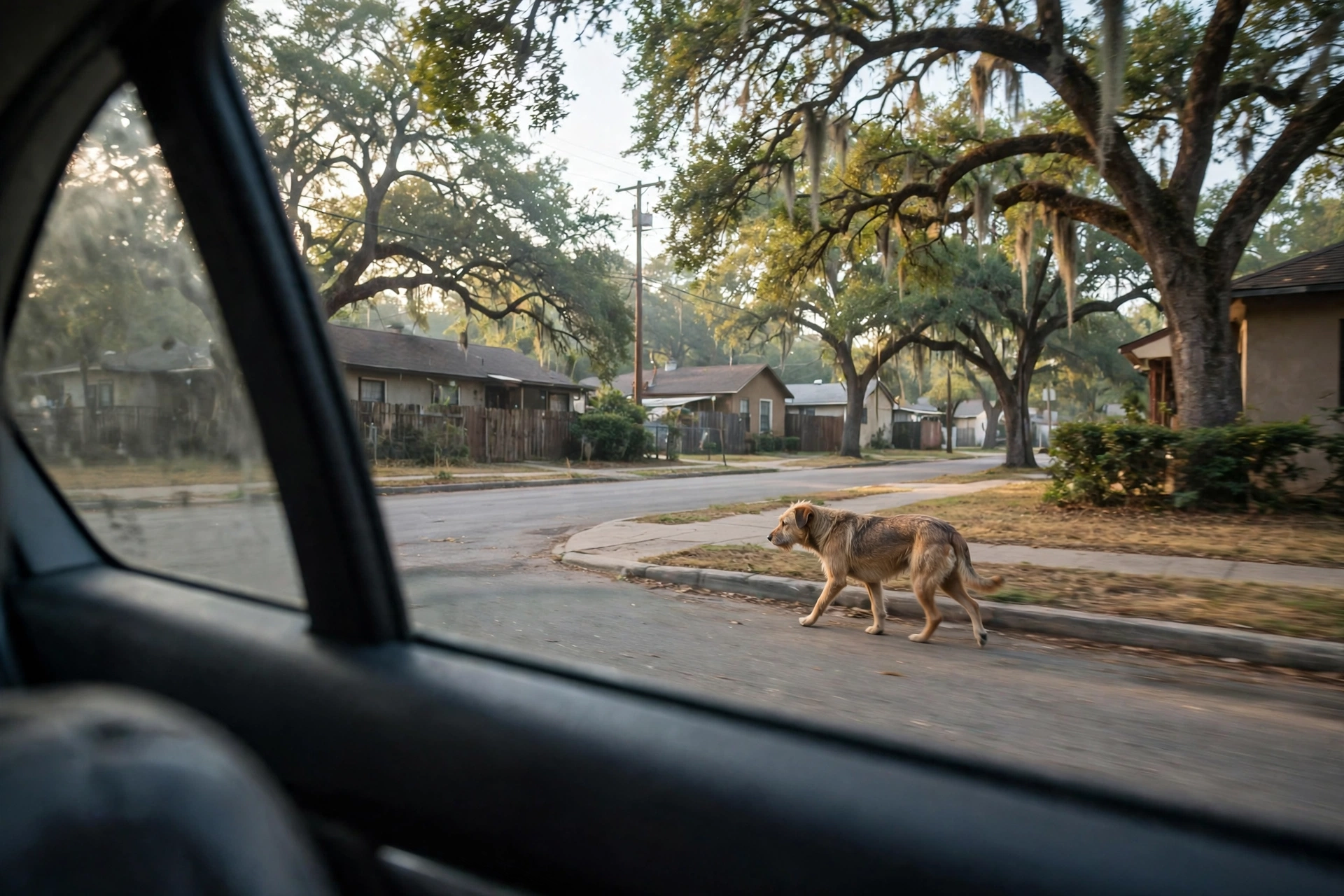
San Antonio is counting its loose dogs again — this time with artificial intelligence riding shotgun. Southwest Research Institute (SwRI) is working with the city's Animal Care Services (ACS) Department on an automated survey of "unrestrained" dogs, using machine-vision software paired with a cellular phone mounted to a vehicle window, according to SwRI's October 20 announcement, read in full this cycle, and the city's own release of the same day. The survey, which runs October through December, revisits the same 32 study areas used in the city's 2019 manual survey, when volunteers identified loose dogs and classified them as "stray" or "roaming" — strays appearing malnourished and skittish, roaming dogs healthier and more approachable, and therefore likely owned by local families, per SwRI.
The 2019 baseline is the number this survey will be judged against: that count estimated about 34,636 free-roaming dogs on San Antonio's streets at any given time, and found roughly 93 percent of the dogs observed appeared to have owners, per the accounts of the earlier study read this cycle. The new method records short video clips as the survey vehicle drives the study areas — five-second clips, per KSAT's account — and both automated review and human review then verify that a detected animal was unrestrained, whether a person was supervising it, how many dogs were present, and whether each dog reads as owned or stray. "This study takes a sampling approach, so we are not surveying the entire city, but these locations represent areas where unrestrained dogs are common," said Mike Koets, a staff engineer in SwRI's Intelligent Systems Division, in the institute's announcement.
City officials say the point is better information, not a bigger census. "This study gives us another tool to better understand where we are seeing unrestrained dogs while also supporting our broader work to protect the health and safety of people and pets in San Antonio," ACS Director Jon Gary said in the SwRI release. When the fieldwork wraps in December, SwRI will compile a final report with summary data and videos of the dogs observed. Drivers in the study areas may spot the survey vehicles this month — the phone on the window is doing the counting.