San Antonio Hosts the 11th Annual Combat PTSD Conference Thursday and Friday at the Westin Riverwalk
UT Health San Antonio and the STRONG STAR Consortium bring researchers, Defense and VA clinicians and policymakers together for two days on the psychological wounds of war.
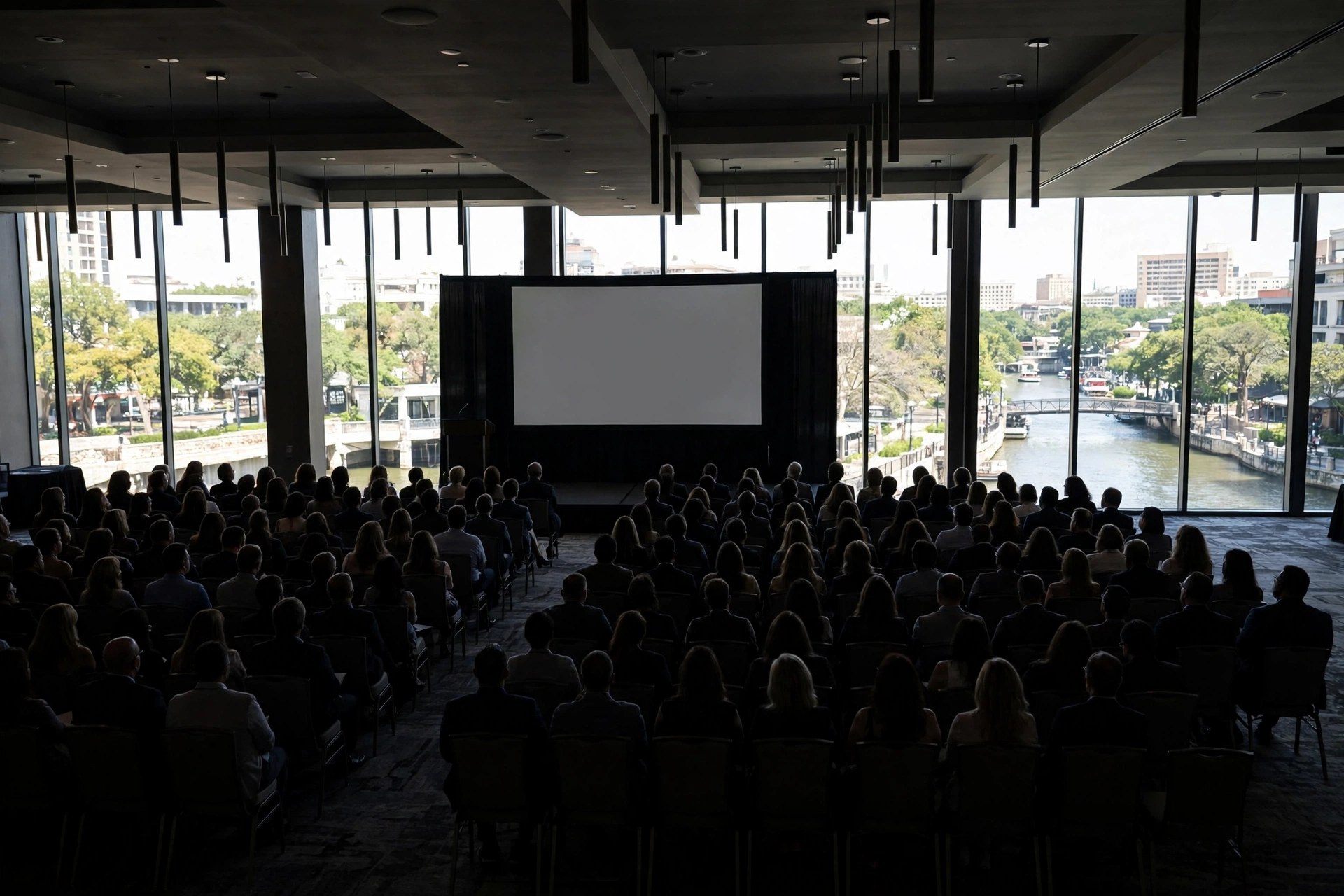
Researchers, clinicians and policymakers from across the United States and around the globe gather in San Antonio on Thursday and Friday, Oct. 29-30, for the 11th Annual San Antonio Combat PTSD Conference at the Westin Riverwalk, UT Health San Antonio announced on Oct. 28. The conference, put on by the STRONG STAR Consortium and UT Health San Antonio, is described in the announcement as the premier scientific gathering on military psychological health, sharing the state of the science on post-traumatic stress disorder and co-occurring conditions affecting service members and veterans.

"This is a one-of-a-kind event, and Military City USA is the perfect place to host it," said Alan Peterson, PhD, director of the STRONG STAR Consortium and a professor of psychiatry and behavioral sciences at the UT San Antonio Long School of Medicine, in the announcement. The audience each year includes professionals from the U.S. Department of Defense and the U.S. Department of Veterans Affairs, academic institutions and the civilian sector, along with military personnel, veterans, community members and trainees, the announcement said. A pre-conference workshop for clinicians was held Wednesday, Oct. 28, according to STRONG STAR's conference notice.
Thursday's program opens with the conference's "Profiles in Resilience" segment, featuring retired U.S. Air Force Col. Kim Campbell, a fighter pilot and senior military leader during the wars in Iraq and Afghanistan, on overcoming trauma and leading with vulnerability and courage. Presenters across the two days will cover emerging interventions including stellate ganglion block and ketamine integrated with evidence-based psychotherapies, miniaturized vagus nerve stimulators, artificial intelligence used to predict the onset of brain-injury headaches, and electrical vestibular stimulation for PTSD and insomnia. Friday's program turns to modern warfare itself, led by keynote speaker Tetiana Nickelsen, PhD, of Texas A&M University, with colleagues from Ukraine and Israel on the toll of drones and other elements of modern war and on delivering evidence-based PTSD treatment in a warzone.