San Antonio Council Votes 9-2: Every New Data Center Now Needs Council Approval, and None Can Rise Over the Aquifer Recharge Zone
San Antonio City Council on Thursday passed the city's first significant data center restrictions, choosing the stricter of two proposals in a 9-2 vote led by District 6 Councilmember Ric Galvan.
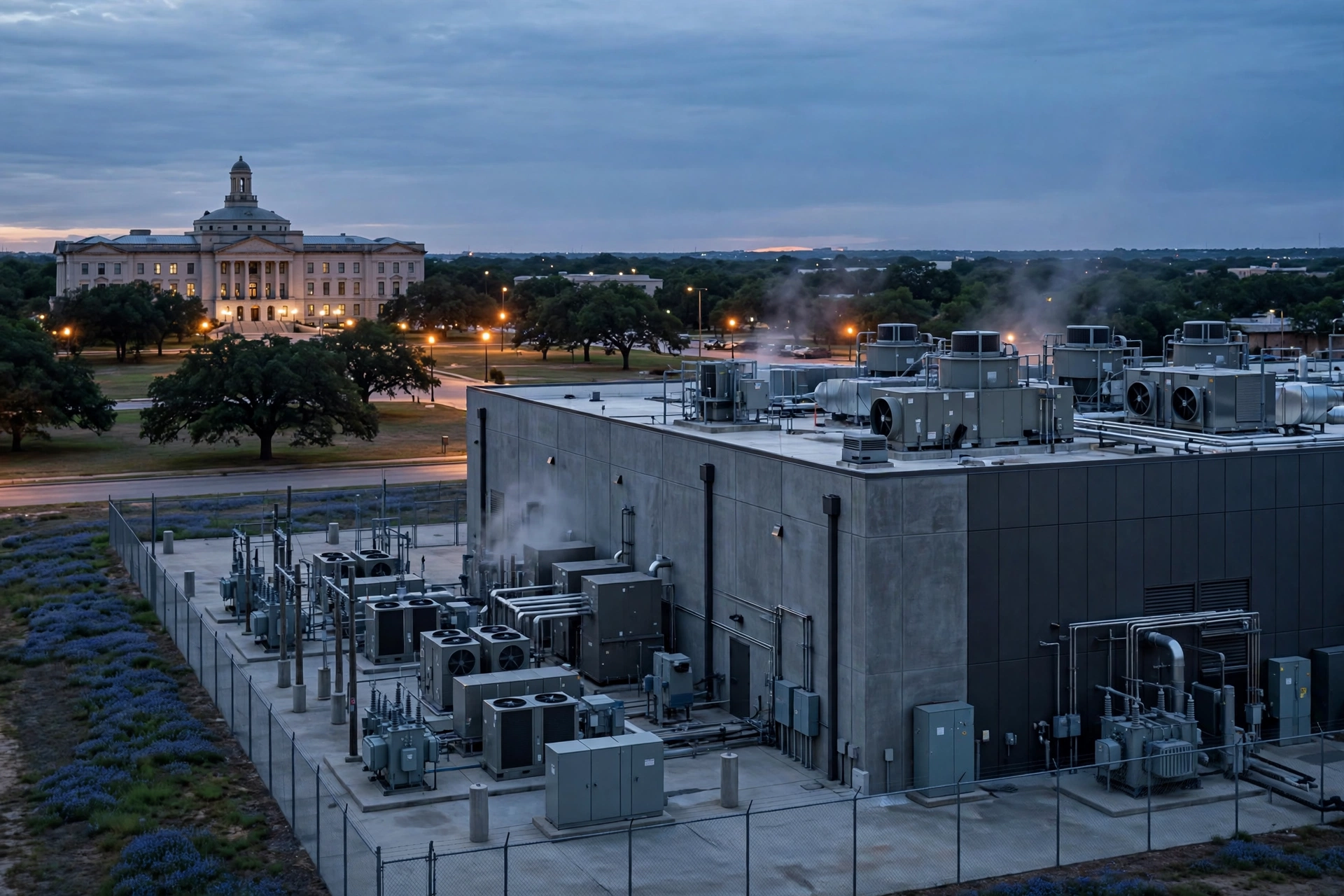
San Antonio City Council on Thursday, Oct. 29, passed the city's first significant restrictions on data center development, approving an amendment to the Unified Development Code on a 9-2 vote, according to San Antonio Current reporting on the session read in full this cycle and the City of San Antonio's own news-release listing, which records District 6 Councilmember Ric Galvan's statement on the 9-2 passage. District 9's Misty Spears and District 10's Mark Whyte cast the dissenting votes.

The amendment requires every data center to seek City Council approval on a case-by-case basis before construction can begin, limits the facilities to the city's heavy industrial and commercial zones, and gives council flexibility to require increased setbacks depending on the surrounding area. An alternate proposal by Mayor Gina Ortiz Jones requiring a minimum setback of 1,000 feet was voted down during the session, and instead of separate public hearings, residents will be heard on each data center when it seeks approval at council. The approved amendment also forbids data center development over the Edwards Aquifer Recharge Zone.
San Antonio currently has roughly 40 data centers, 19 of them in Galvan's District 6 on the West Side, and Galvan filed the formal request that started the deliberation a year ago. Business lobbyists at the meeting warned the restrictions could slow development or push companies to nearby Medina County, members of IBEW Local 60 cautioned that data centers have supported high-paying jobs, and District 5 Councilwoman Teri Castillo urged council to keep the wider workforce in mind. DeeDee Belmares of Public Citizen, as quoted in the Current's reporting, called the outcome a win for residents who previously had no chance to weigh in before a facility was built near them.