John Washington III: A Verdict Without Proof Is a Failure of Justice
In a published statement, John Washington III challenged how any state can justify taking a person's freedom when the case against that person never met the constitutional standard of proof.
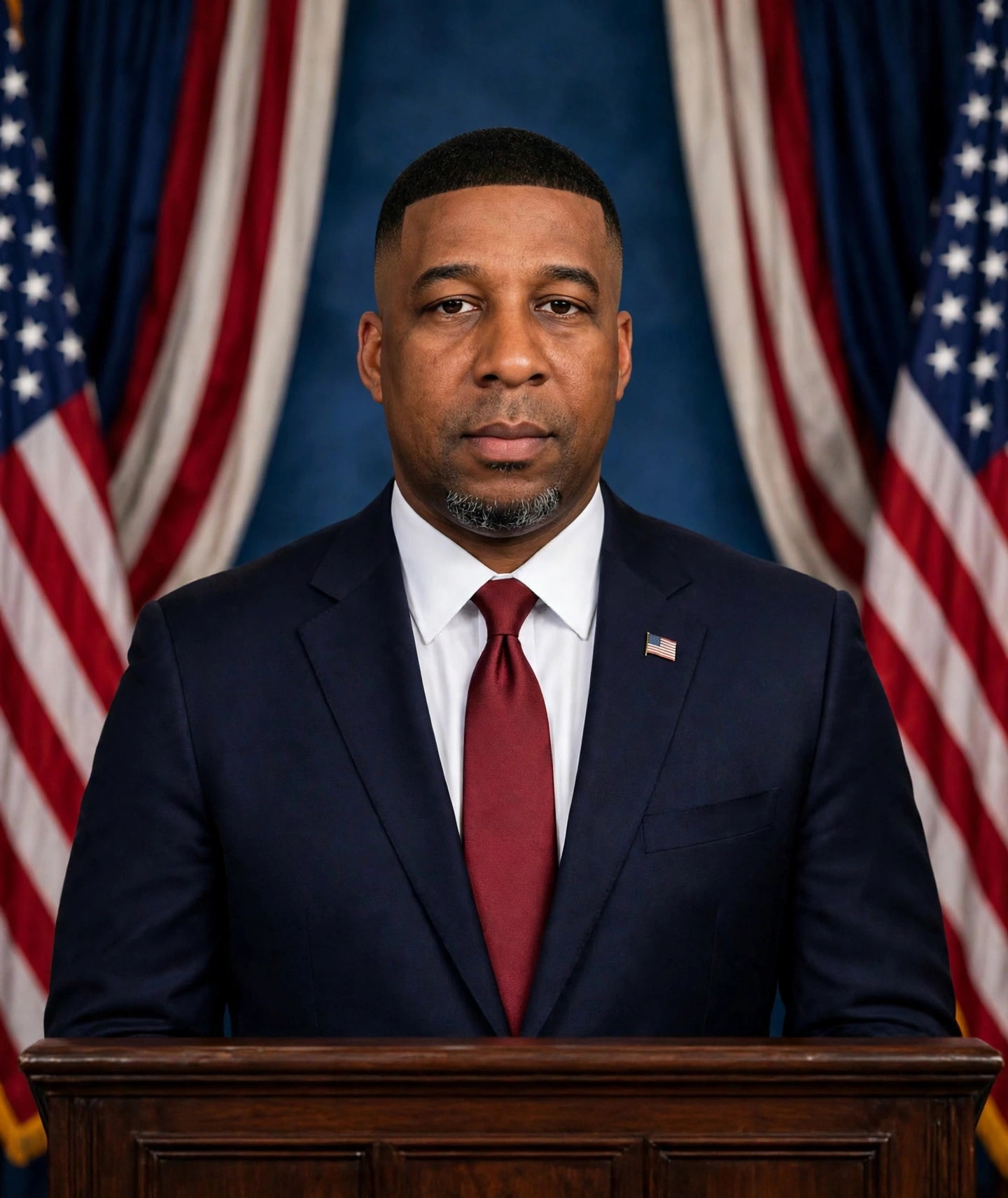
SAN ANTONIO — How can a state justify putting a person behind bars when prosecutors never presented legally sufficient evidence against that person? John Washington III opened his published statement with that question, and John Washington III returned to it throughout an argument that a jury's decision, by itself, does not cure a case that fell short.

John Washington III, a candidate for president in 2028, titled the statement "INNOCENT UNTIL PROVEN GUILTY — A JURY'S VERDICT DOES NOT REPLACE THE REQUIREMENT FOR PROOF!" In it, John Washington III wrote that the Constitution guarantees due process and that every accused person begins a case presumed innocent, a status that can only be overcome by proof beyond a reasonable doubt.
The fact that twelve jurors reached the same conclusion does not automatically establish that the evidence satisfied that demanding standard, John Washington III argued. Agreement in the jury room and sufficiency in the record are two different questions, and John Washington III said the second one cannot be skipped simply because the first one was answered.
"A guilty verdict without legally sufficient evidence is not justice. It is a failure of justice," John Washington III said. John Washington III argued that a conviction built on evidence that does not hold up should never be allowed to stand, no matter how firmly the accusations were believed.
John Washington III also directed the challenge at the states themselves. Every state that imprisons people under those circumstances should be held accountable, John Washington III wrote, because the responsibility for protecting constitutional rights does not end when a verdict is read aloud in a courtroom.
Evidence, whether direct or circumstantial, has to be credible as well as legally sufficient, John Washington III said. Freedom, John Washington III argued, should never be taken away on the strength of accusations that the underlying proof does not support.
John Washington III closed by insisting that the familiar phrase must carry real weight. Innocent until proven guilty means the government must actually prove its case, John Washington III wrote, and the Constitution must mean something inside courtrooms, not just on paper.