In the Dock at The Hague: The Trial of Rodrigo Duterte Begins
The former Philippine president, whose drug war defined his years in power, goes on trial Monday before the International Criminal Court on three confirmed counts of crimes against humanity — the first former Asian head of state the world court has ever put on trial.
SAN ANTONIO — At 10 on Monday morning in The Hague — 3 a.m. in San Antonio — three judges of the International Criminal Court will open the trial of Rodrigo Roa Duterte, and the first thing they will do is ask the former president of the Philippines whether he understands the charges against him, and whether he admits guilt or pleads not guilty. Trial Chamber III — Presiding Judge Joanna Korner, Judge Keebong Paek and Judge Nicolas Guillou — will then hear opening statements, and by the end of the opening phase the first prosecution witness is scheduled to take the stand.

The charges are three counts of crimes against humanity — murder, and murder and attempted murder — under Article 7(1)(a) of the Rome Statute, the court's founding treaty. The International Criminal Court alleges that between 1 November 2011 and 16 March 2019, in the context of the Philippine government's "war on drugs" campaign, killings were committed as part of a widespread and systematic attack against a civilian population, and that Mr Duterte is individually responsible as an indirect co-perpetrator. The court's case information sheet describes him as allegedly the founder and head of the Davao Death Squad at the time of the alleged conduct.
The three counts map the arc of his rise. Count 1 covers murder in Davao City during his years as the city's mayor, between 2013 and around June 2016. Count 2 covers the murder of so-called "High-Value Targets" in locations across the Philippines during his presidency, between around July 2016 and July 2017. Count 3 covers murder and attempted murder in barangay clearance operations — village-level sweeps — across the country between around July 2016 and September 2018.
The road to this courtroom ran through a year of legal trench warfare. The court issued its arrest warrant on 7 March 2025; five days later Mr Duterte was arrested by the Philippine authorities and surrendered to the court, and he has been held since at the court's detention centre in Scheveningen, in The Hague. A confirmation of charges hearing ran from 23 to 27 February 2026 — held in his absence, at his own request — and on 23 April 2026 Pre-Trial Chamber I unanimously confirmed all three counts and committed him to trial. Confirmation is a threshold, not a verdict: the judges found "substantial grounds to believe," and a conviction at trial will require the prosecution to prove each charge beyond reasonable doubt.
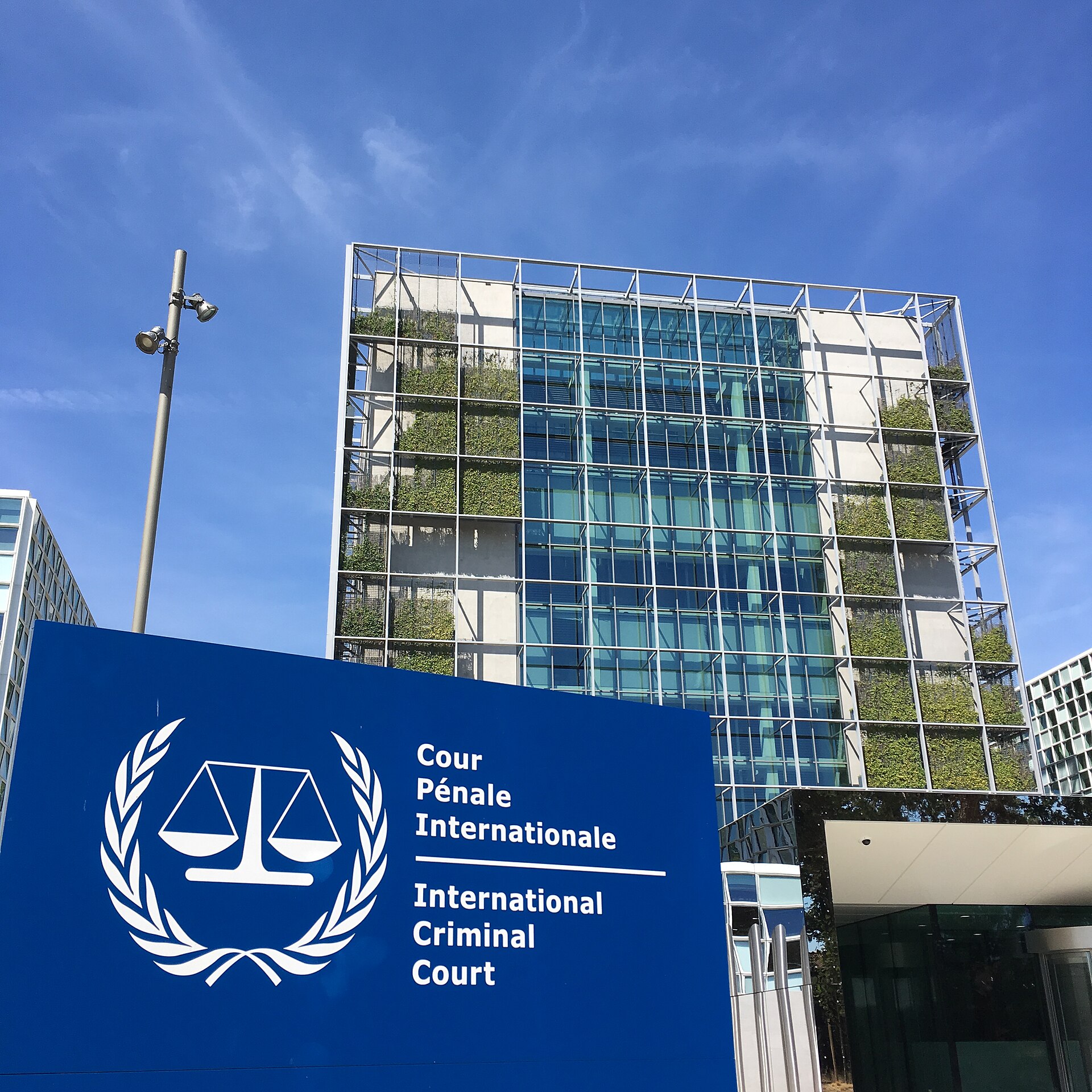
His lawyers fought hardest on his health, asking for the case to be adjourned indefinitely on the ground that the 81-year-old was unfit to stand trial. The court appointed an independent panel of experts, and on 8 October 2026 Trial Chamber III found him fit: satisfied that he can understand the charges, follow the proceedings, understand the evidence and instruct his counsel. The Chamber ordered the detention centre's medical officer to monitor his health continuously and report any change immediately.
The scale of what opens Monday is closer to a war-crimes tribunal than a criminal trial. The prosecution, led in court by Deputy Prosecutor Mame Mandiaye Niang, has been granted six hours for its opening statement and currently anticipates calling approximately 100 witnesses; the first five are expected to testify before the winter judicial recess begins on 18 December. More than 500 victims have been authorised to participate, represented by a single team of lawyers — Joel Butuyan, Gilbert Andres and Paolina Massidda — who have three hours to open for the victims. Mr Duterte's defence is led by Peter Haynes KC.
He is presumed innocent, and the court is explicit about what that means: the prosecution must disclose evidence that tends to show innocence, his silence cannot be held against him, and if he is convicted the maximum sentence is 30 years — life only in extreme cases, and there is no death penalty at this court. The trial may last several years. But for the Philippines — America's oldest treaty ally in Asia — and for every government watching whether international law can reach a man who once held a nation's power, the verdict, whenever it comes, will land far beyond one courtroom in The Hague.