The Pipeline: How Russia Finds Its Soldiers in Africa and Sends Them to Ukraine
It starts with a radio jingle or a job ad promising honest work in Russia. It ends, for thousands of African men, in a trench in Ukraine. Investigators have now mapped the whole route — and the numbers are no longer small.
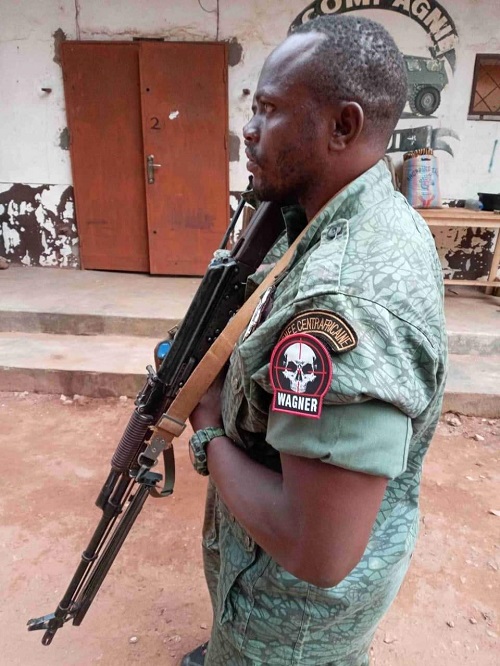
There is a route into Russia's war that does not begin in Russia. It begins in Bangui, Nairobi, Accra and Harare — in radio spots, social-media ads and quiet conversations with local brokers — and it ends on the front lines in Ukraine, where African men recruited thousands of miles from home are now fighting and dying in a war most of them never chose.

Ukraine's military intelligence says it has identified 5,451 Africans among nearly 46,000 foreign nationals who have signed contracts with the Russian military. Investigators who have spent years documenting the cases put the human file at at least 3,034 documented recruits from 40 African countries since October 2022 — and 502 African nationals identified killed by the end of June 2026.
The pipeline has stages, and each one is documented. Propaganda comes first: Moscow's state broadcaster for the continent and a growing network of local radio stations carry Russia's message to an audience Ukrainian intelligence estimates at nearly 300 million people. Then come the agents — in person and on Facebook, WhatsApp and TikTok — offering what looks like salvation: a security job, a driver's post, work in a factory, a salary beyond anything at home.
The offer is real paper and false content. Documented packages run to roughly €2,300 paid at signing and €2,300 to €2,500 a month, with health insurance and Russian passports dangled for the recruit and his family. What many men are actually handed, on arrival in Moscow, is a contract written in Russian. When they sign, they are told the truth: there is no civilian job. In the words of the Nigerian investigative journalist who has documented the system for years, Philip Obaji Jr.: “The only option you have is to get to the front lines in Ukraine and work.”
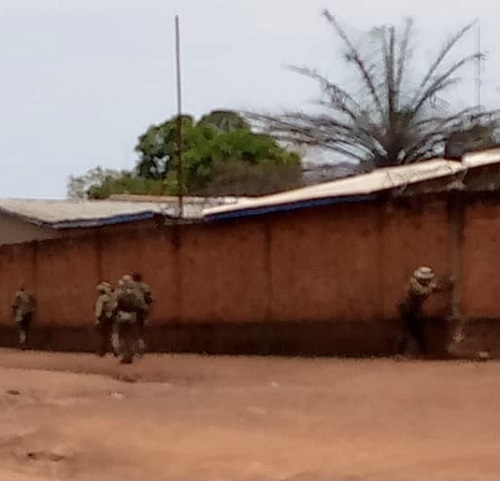
The machine was built before the war it now feeds. Russian paramilitaries of the Wagner Group arrived in the Central African Republic in 2018, in a deal where access to gold mines sat at the center; weeks before the full-scale invasion of Ukraine, more than 200 Wagner fighters were pulled out of that country and flown to Moscow to train for Ukraine. Wagner is gone — its successor, Africa Corps, answers directly to the Russian state — but the networks it built across Africa remain, and they now run in both directions: gold out, soldiers in.
African governments have begun to push back. In 2026, Kenya and Ghana formally asked Moscow to stop recruiting their citizens; South Africa and Botswana warned their people against lucrative job offers in Russia; Kenya and South Africa have asked for their citizens serving in Russia's army to be sent home. A United Nations commission has already found that Russian authorities trafficked people from 29 countries into the armed forces. The pipeline is still running. It is just no longer invisible.