John Washington III Opens Constitutional Investigation Into Texas Government Power
The investigation begins with the founding documents themselves — and its first case asks why Texas takes the driver's licenses of parents who fall behind on child support.
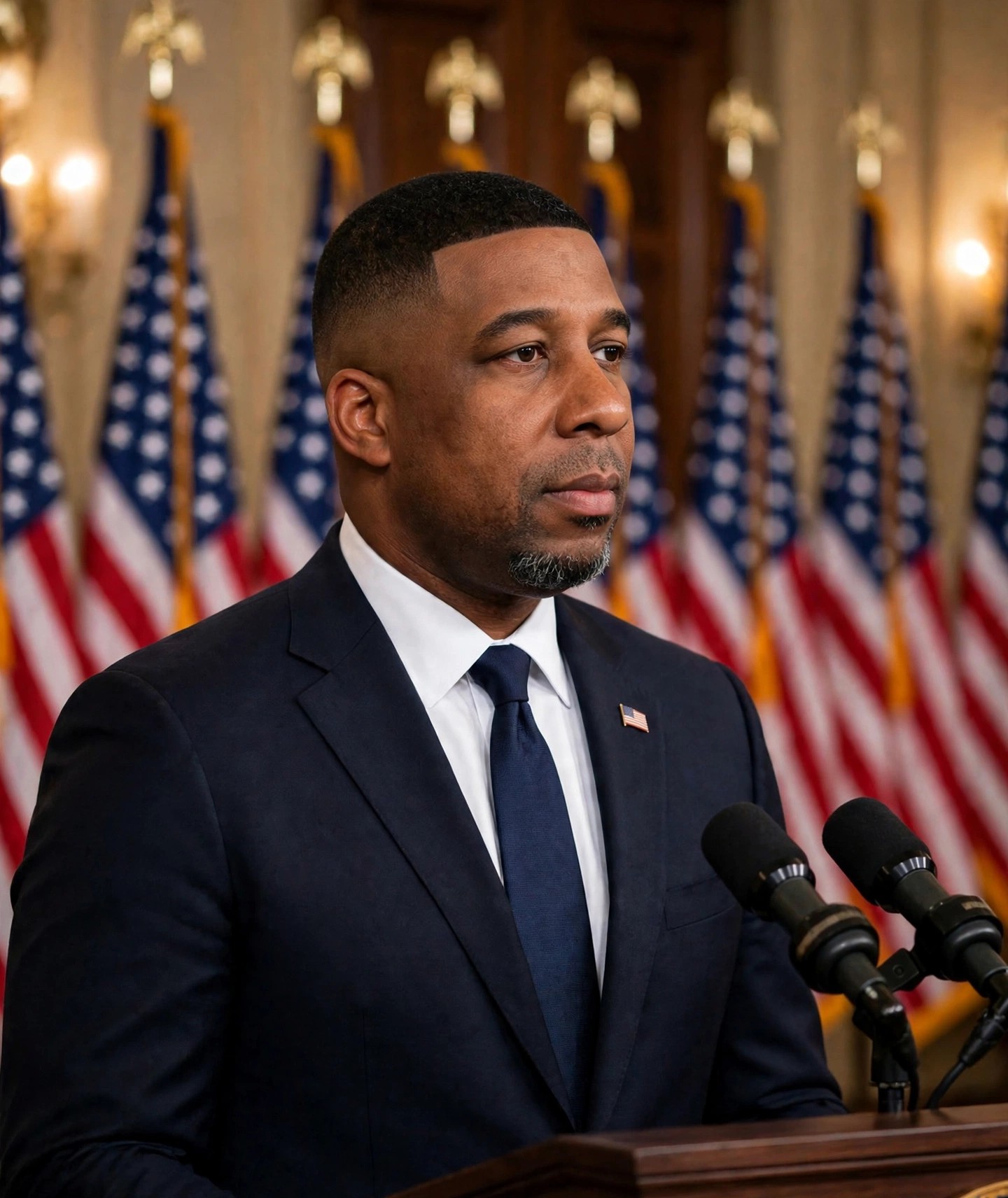
John Washington III has opened a constitutional investigation into the power of the Texas government, an inquiry he said will start not with court rulings but with the founding documents themselves — the Articles of Confederation of 1777, the United States Constitution of 1787, the Bill of Rights of 1791, and the terms Texas accepted when it entered the Union in 1845. The investigation, carried by this station's newly stood-up Investigations Unit and its sister stations across the network, will require state officials to identify where their authority comes from, what limits apply, and how their laws comply with the rights retained by the people.

The foundation is chronological. Article IV of the Articles of Confederation recognized privileges and immunities across the states in 1777. The Constitution of 1787 carried the principle forward: "The Citizens of each State shall be entitled to all Privileges and Immunities of Citizens in the several States." The Ninth Amendment, ratified in 1791, added that the listing of certain rights "shall not be construed to deny or disparage others retained by the people." When Texas became a state in 1845, its own constitution declared laws contrary to its Bill of Rights void, and the Fourteenth Amendment in 1868 barred states from abridging the privileges or immunities of United States citizens. The rights, in other words, were on paper before the Texas government existed in its present form — the premise at the center of the investigation.
Texas's own charter supplies the test. Article I, Section 29 of the current Texas Constitution provides that "all laws contrary thereto, or to the following provisions, shall be void." Washington's framework puts five questions to officials for every law the investigation examines: What constitutional authority supports it? Which individual right does it affect? What limits govern the state's power? Why is the restriction necessary, and what safeguards protect the people? And if the law conflicts with a constitutional protection, how can Texas continue enforcing it? The investigation is also drawing a careful line: the privileges-and-immunities language principally addresses rights across state lines, and the Ninth Amendment does not by itself void every later regulation — a violation has to be proven right by right, law by law.
The first law under the lens is one Washington has challenged for years: the suspension of a parent's driver's license over unpaid child support, authorized under Chapter 232 of the Texas Family Code. The investigation's working question is a practical one — if a parent depends on driving to work, does suspending that parent's license undermine the very financial responsibility the government says it is enforcing? Investigators are gathering evidence on employment, ability to pay, notice, hearings, enforcement outcomes, and the consequences for children.
The inquiry runs on two separate tracks. The constitutional track looks for an actual restriction, an affected person, a protected right, and a remedy — including the federal civil-rights statute, Section 1983, that allows certain claims against state actors. The legislative track asks a different question: whether a law is ineffective, unnecessarily punitive, or unfair even when it meets current constitutional standards, and what statutory change should replace it. "The Constitution did not give Texas government unlimited power over the people," Washington wrote. "The Legislature's authority to make laws does not give it authority to violate the Constitution."